Why “Off-the-Rack” Sheds Fit Like a Bad Suit (And How to Get the One That Actually Works For Your Rural Property)
You’ve just moved to your dream rural property. Rolling paddocks, open skies, and finally, space to spread out and breathe. You picture a shed that holds everything: your ride-on mower, a workshop, maybe a pool table and a lounge area for weekend barbecues.
So you do what seems sensible. You order a standard-sized shed online. After all, it’s cheaper, quicker, and “should be good enough,” right?
Fast-forward a few months, and the reality doesn’t match the dream. The doors are too low for your tractor. The ceilings are too high in areas where you didn’t need them, and you’re paying for steel you’ll never use. The shed feels cramped where it should be open, and wide where you don’t need the space. What’s worse, you’re now considering costly modifications just to make it functional.
Let’s rewind.
What if that shed had been designed just for you? Same budget. Different thinking.
Why Cheap Sheds Cost More Than You Think

Off-the-shelf sheds may seem like a good deal at first glance. But like buying a suit off the rack, they rarely fit the way you need them to. And when you’re working with rural land, where each property comes with its own quirks and needs, compromise gets expensive.
Height matters when you’re storing large machinery. Width and layout determine whether your shed feels like a storage dungeon or a multi-use masterpiece. Poor placement of windows, roller doors, or power points? That’s not just an inconvenience - it can cripple your shed’s usability.
The $30K Shed That Proved ‘Different’ Doesn’t Mean ‘Expensive’
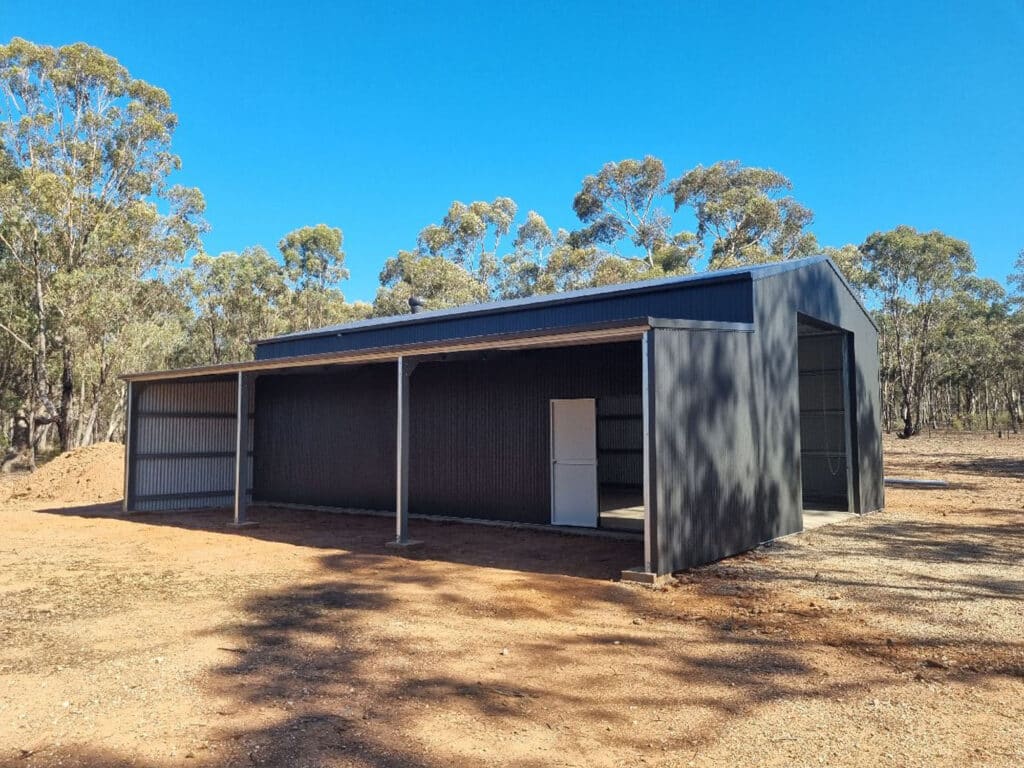
Mike had a clear vision for his rural shed, but it didn’t fit the mould of a standard design. One end needed serious clearance for his tractor and a vehicle hoist. The other sections? Not so much. Rather than paying for unnecessary vertical space across the entire structure, he worked with a builder to customise the shed’s height - tall where it needed to be, lower where it didn’t.
The result? A shed tailored exactly to his needs, without the bloat. By avoiding a uniform high-clearance build, Mike saved thousands in steel and construction costs, while still ending up with a fully functional, multipurpose space.
This wasn’t about luxury - it was about logic. He paid for what he needed, skipped what he didn’t, and got a better shed in the process. Because he chose a custom design that respected his property, his usage, and his budget.
And Then There’s James: A “Standard” Shed That Fell Short
James went a different route. With similar needs - a combination of storage and workshop space on a rural block - he chose a standard-sized shed from a catalogue. It seemed easier, cheaper, and fast to quote. But once it was built, the reality set in.
His tractor didn’t clear the roller door without modifications. The ceiling height throughout was excessive, wasting thousands in unnecessary materials. And despite having the square footage, the internal layout made it difficult to section the space for different uses.
What looked like a cost-saving decision on paper ended up costing more in rework, lost space, and frustration. Retrofitting features and constantly reshuffling storage became an ongoing headache. And still, the shed didn’t match the vision he started with.
The difference? Mike designed his shed around his life. James designed his life around a generic shed.
Why the Design Phase Isn’t Optional (If You Want Zero Regrets)
This is where most shed builds go wrong: skipping the design phase or rushing through it.
Planning isn’t the boring bit - it’s the bit that makes the rest work. It’s where you account for how you’ll move through the shed, where things will live, and what space your vehicles actually need. It’s how you avoid that all-too-common sigh of, “I wish I’d made it just a bit bigger…”
Every single person who’s ever said their shed was “too small” has one thing in common: they didn’t design it properly from the start.
Don’t Buy Regret. Just Build Smarter.
You don’t have to settle for a one-size-fits-none shed. You don’t have to pay more to fix poor planning. And you definitely don’t have to guess your way through a project this important.
When your shed is designed to the millimetre, you gain more than space - you gain peace of mind.
So before you sketch a plan or sign a contract, make sure you grab The Shed Buyer’s Guide.
Inside, you’ll discover:
- The overlooked details that make or break your shed’s usability
- How smart design can actually cut costs
- Questions to ask that most buyers miss
- Common mistakes that lead to expensive modifications
Download it now and build the shed your property deserves - customised, cost-effective, and completely regret-free.
*Disclaimer: Names and identifying details have been changed to protect the privacy of individuals. These stories are based on real events, and any resemblance to actual persons is coincidental.

Free Expert Advice Specific To Your Shed Needs
Over the past 20+ years we’ve had the honour of helping more than 5000 homeowners and farmers get a better looking, longer lasting garages and carports. We’d love to help you too by answering your questions and sharing our experience.